

Seasonal winter archive
Seasonal campaign recordThirteen named winter, clothing, and wood collections plus field folders.
Famidi began by connecting an online community to immediate needs in Afghanistan. The work grew into wells, bread, food, seasonal relief, emergency response, education, and family support—and the habit of documenting it grew too.
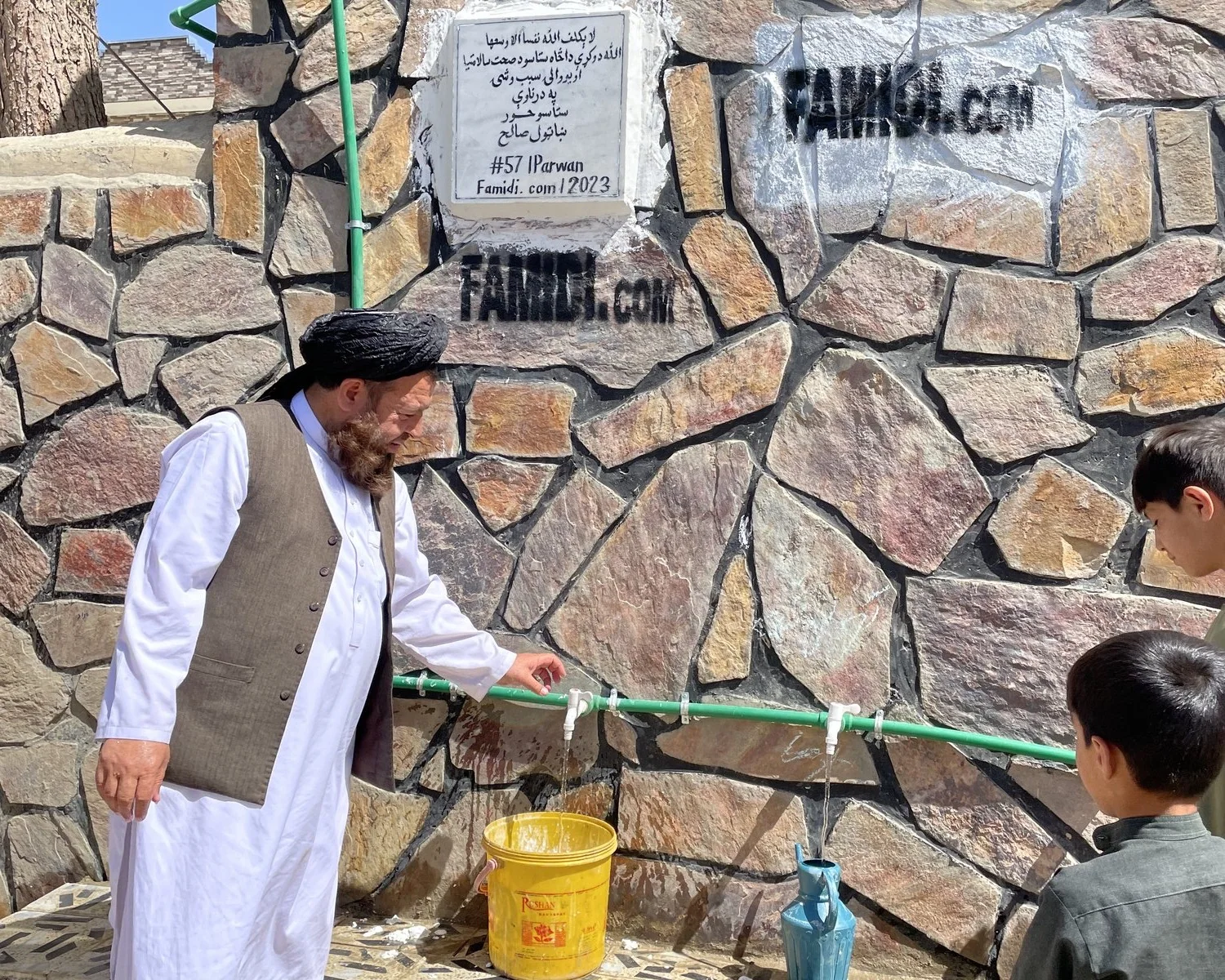
Well #57 documented at the finished community water point.
Every selected year shows its documented chapters, completion status, and the evidence that remains connected to the work.
Retained early social and organizational archive.
This is a milestone ledger, not a claim that each card represents only one beneficiary or one day of work.
26 records shown
Thirteen named winter, clothing, and wood collections plus field folders.
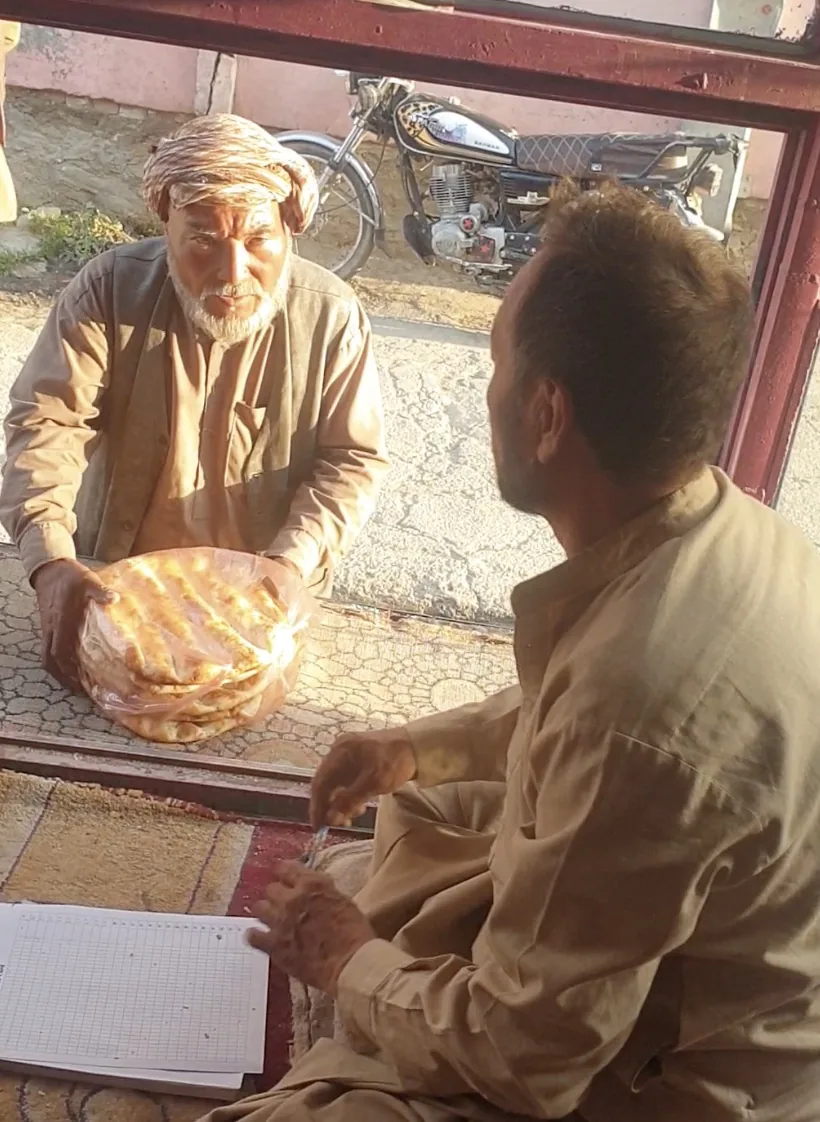
19 named Naan and Naan Card highlight collections.

Retained Ramadan and food collections across eight seasons.
Project folders, field media, plaques, locations, and public milestones.
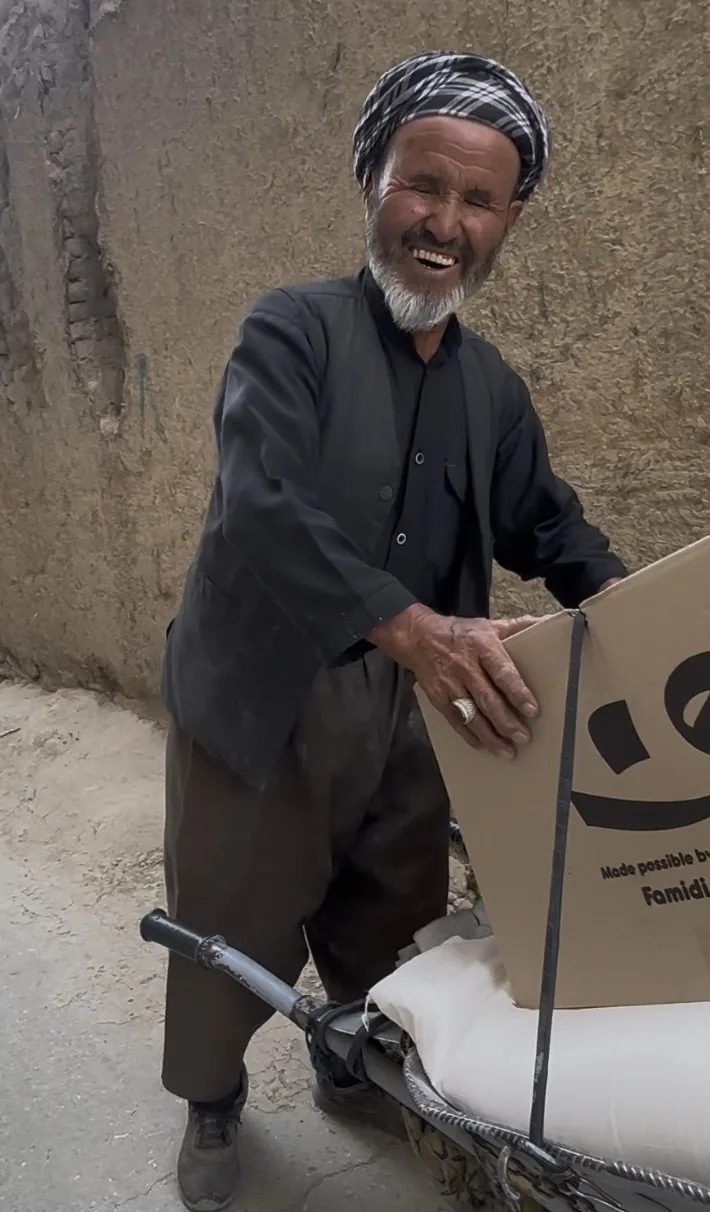
Campaign updates and retained delivery media.
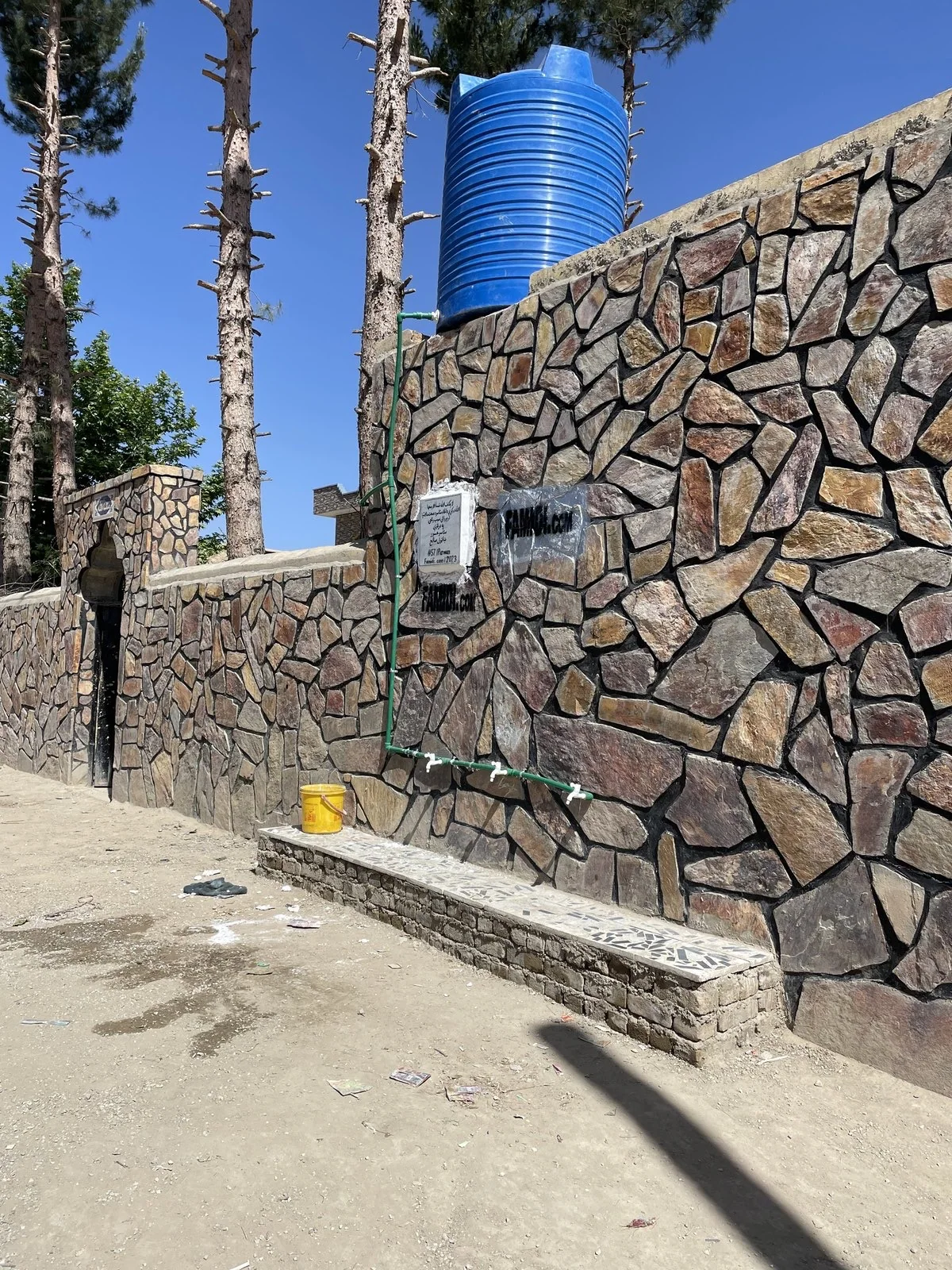
Published numbered collection.

Named winter, clothing, and wood collections.
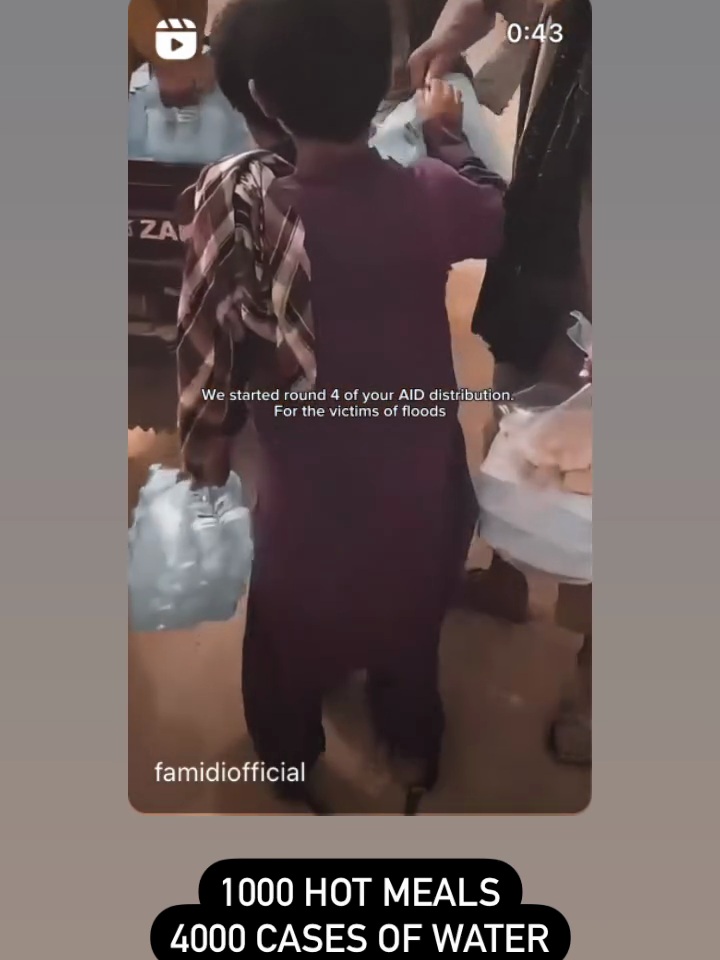
Prepared meals, cases of water, and repeated local distributions.

Distribution media from earthquake-affected communities.
Construction, multi-tap point, plaque, and completion photos.

Completion collection and retained project media.
Dated public milestone.

Purchase, packing, item-level, and distribution records.

Naan Card preparation, bakery visits, and handoffs.
Living-condition footage, interviews, and public appeals; no housing-completion claim.
School-supply purchases and orphanage footage.

Published milestone and completion media.
Published milestone and retained project archive.
Formula and diaper documentation following the maternity-hospital attack.

Assessment footage and field distributions.

Household relief series and delivery media.
Dated winter collections and field media.

Dated Ramadan, food, and iftar collections.

Three-part public video record through the January 2019 conclusion.

Public concert video and partner documentation.
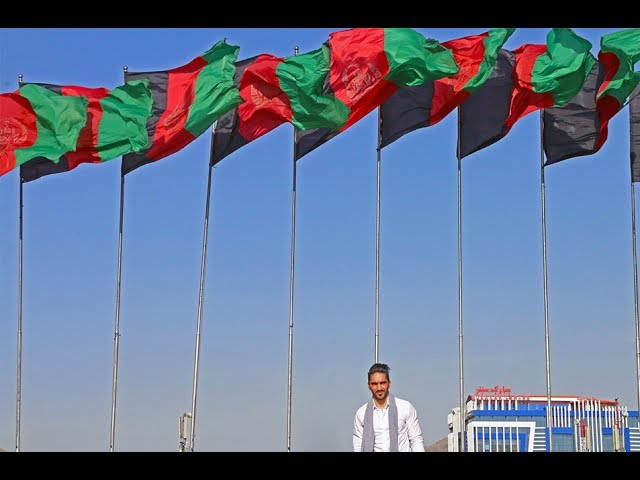
Three-part YouTube vlog and retained distribution records.
The construction, delivery, event, or response cycle is finished.
The retained archive shows repeated activity across named seasons or years.
Assessment and advocacy records remain labeled as such unless completion evidence supports more.
Naan Drive, Food Drive, Water Wells, and Emergency Response are the permanent program choices. Seasonal campaigns and other targeted work remain visible in the archive without becoming additional donation designations.
Recurring bread support built around a card, a neighborhood bakery, and repeated collection.
Household staples and prepared food documented across ordinary deliveries and seasonal campaigns.
73+ completed wells and water points across communities in Afghanistan.

Locally coordinated assistance after floods, earthquakes, displacement, and urgent family crises.
Famidi’s lifetime count is based on finished field work and completion evidence retained in the archive, including site photographs, plaques, location records, and construction documentation.
Explore completed projects →A hand pump documented at the finished project site.
Construction and site evidence remain connected to the well record.
A finished multi-tap water point with its project plaque visible.
The well archive includes Bamyan, Daykundi, Ghazni, Ghor, Kabul, Kandahar, Kunar, Logar, Nangarhar, Paktia, Paktika, Parwan, and Wardak. Emergency-response work also reached Herat and Baghlan.
Wide scenes, infrastructure, supplies, and process images communicate the record without asking recipients to surrender their dignity.
Fresh bread, a participating baker, and the program bag are visible in the same field frame.
The contents remain visible and specific.
Prepared meals and drinking water are visibly handed over during a flood-response distribution.
A wide field frame records multiple Famidi-marked shelters in use after the earthquakes.
The public video record began before the formal nonprofit record.
YouTube preserves the long-form context behind the early social updates.
A three-part vlog documented the trip and its community-funded distribution. The Day 2 record states that $25,000 was withdrawn for the main distribution.
The public archive identifies the collaboration with the Habib Qaderi Foundation and Dunya Banquet Hall as Famidi’s first charity concert.
Watch the concert record →A second three-part mission record followed the distribution process through its January 2019 conclusion.
Watch the conclusion →The review included Famidi’s Google Drive project folders and administrative records, public filings, YouTube missions and events, current social posts, and all 112 saved Instagram highlight collections. Social titles were never treated as proof on their own; ambiguous collections were opened and classified by what the frames actually showed.
Field photos, location details, receipts, plaques, and project records support completion claims.
Coverage shows documented activity. It is not automatically a beneficiary count or proof of uninterrupted operation.
The $188,113 total covers reported gross receipts for 2022–2025. It is not presented as program spending.
The historical record is extensive, but it is not standardized enough to publish one reliable lifetime people-reached figure.
The 2021 Mazar medical-center highlight records hospital-site exploration, not a completed Famidi medical facility.
Refugee housing footage documents living conditions and advocacy unless a separate completion record supports more.
Infrastructure, supplies, wide field scenes, and process records can document the work without centering a vulnerable recipient’s face.