A month of bread beside a 7,000 AFN salary.
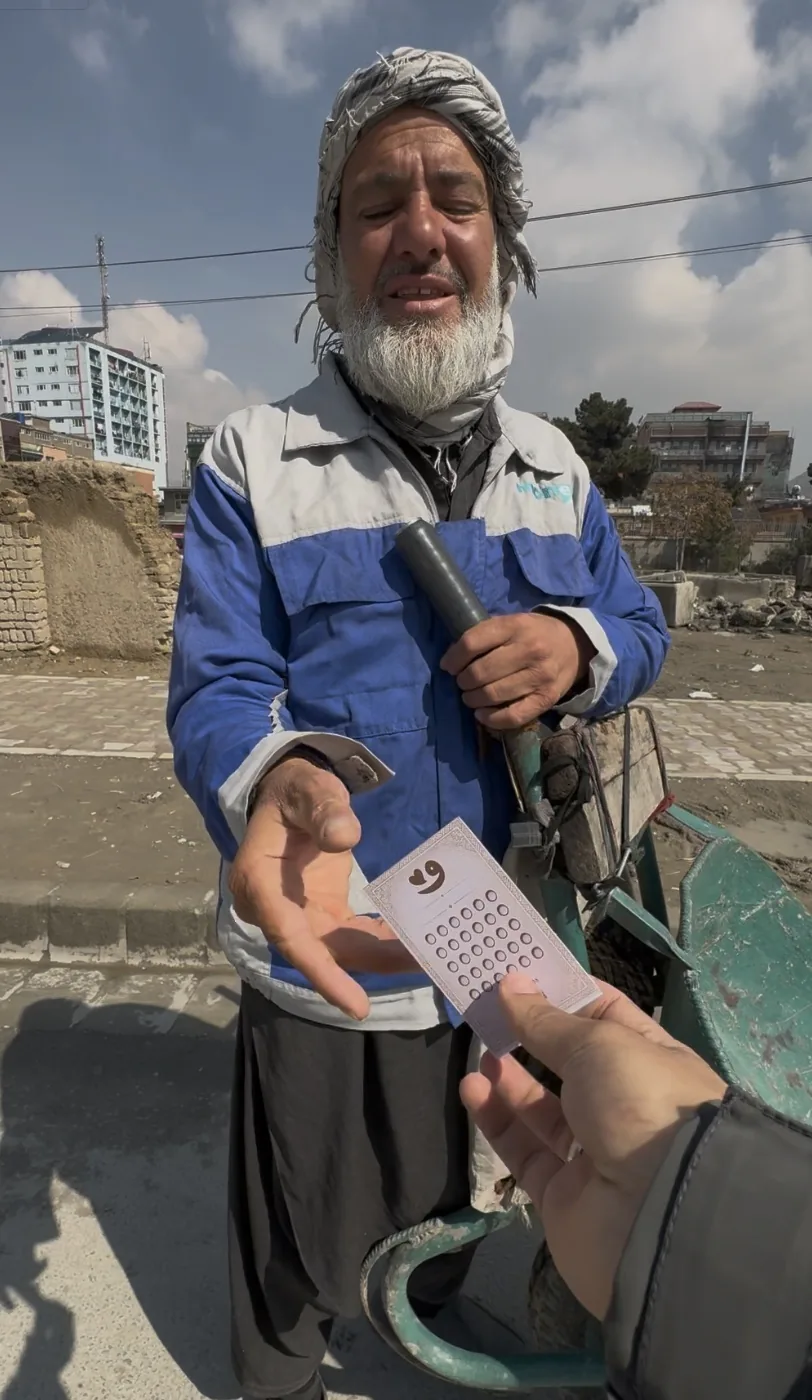
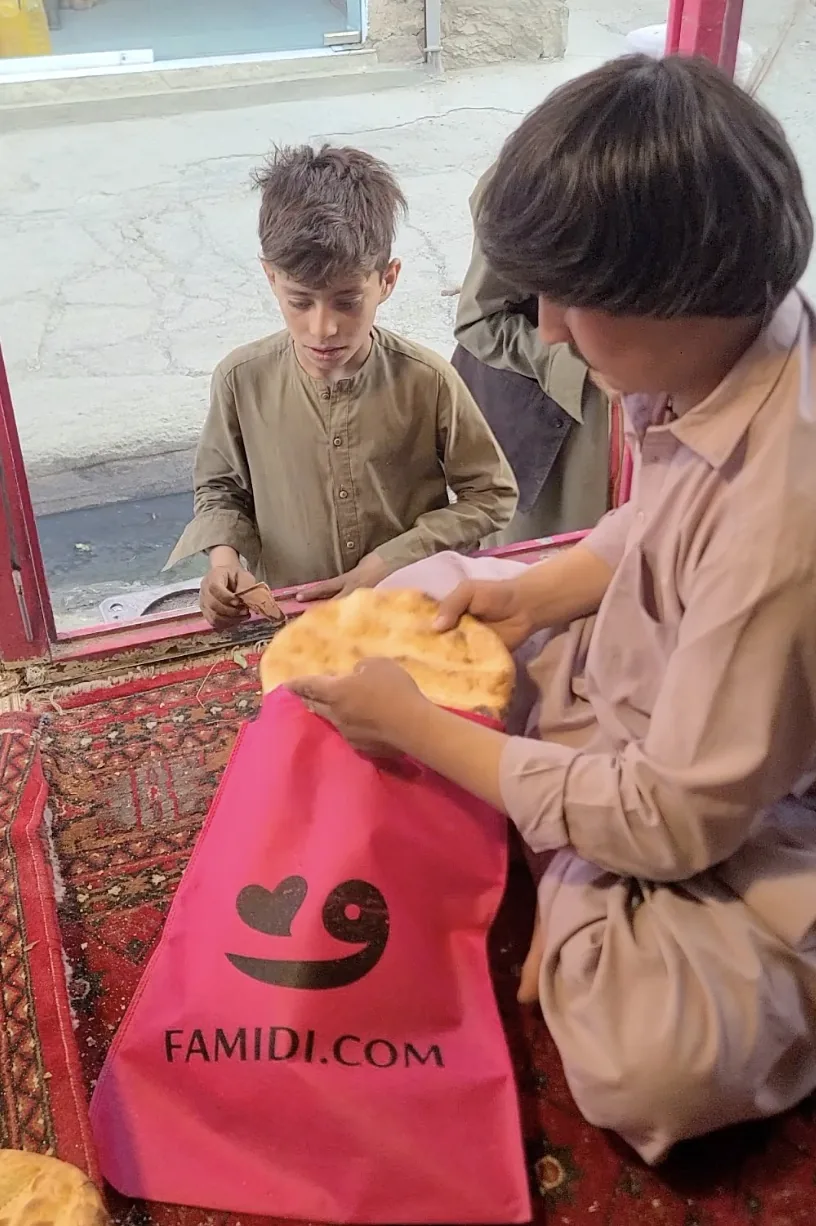
A Kabul sanitation worker described the arithmetic of earning 7,000 AFN a month while paying 2,000 AFN in rent. A Naan Card gave his household one predictable line in an otherwise uncertain budget.
Dated field updates become fuller accounts of what was provided, how the program works, where the evidence lives, and what remains outside the claim.

These stories draw from Famidi’s public field posts and internal program archive. Names are omitted unless they are necessary and appropriate. Direct quotes stay connected to their source; outcomes are not invented.

A Kabul sanitation worker described the arithmetic of earning 7,000 AFN a month while paying 2,000 AFN in rent. A Naan Card gave his household one predictable line in an otherwise uncertain budget.

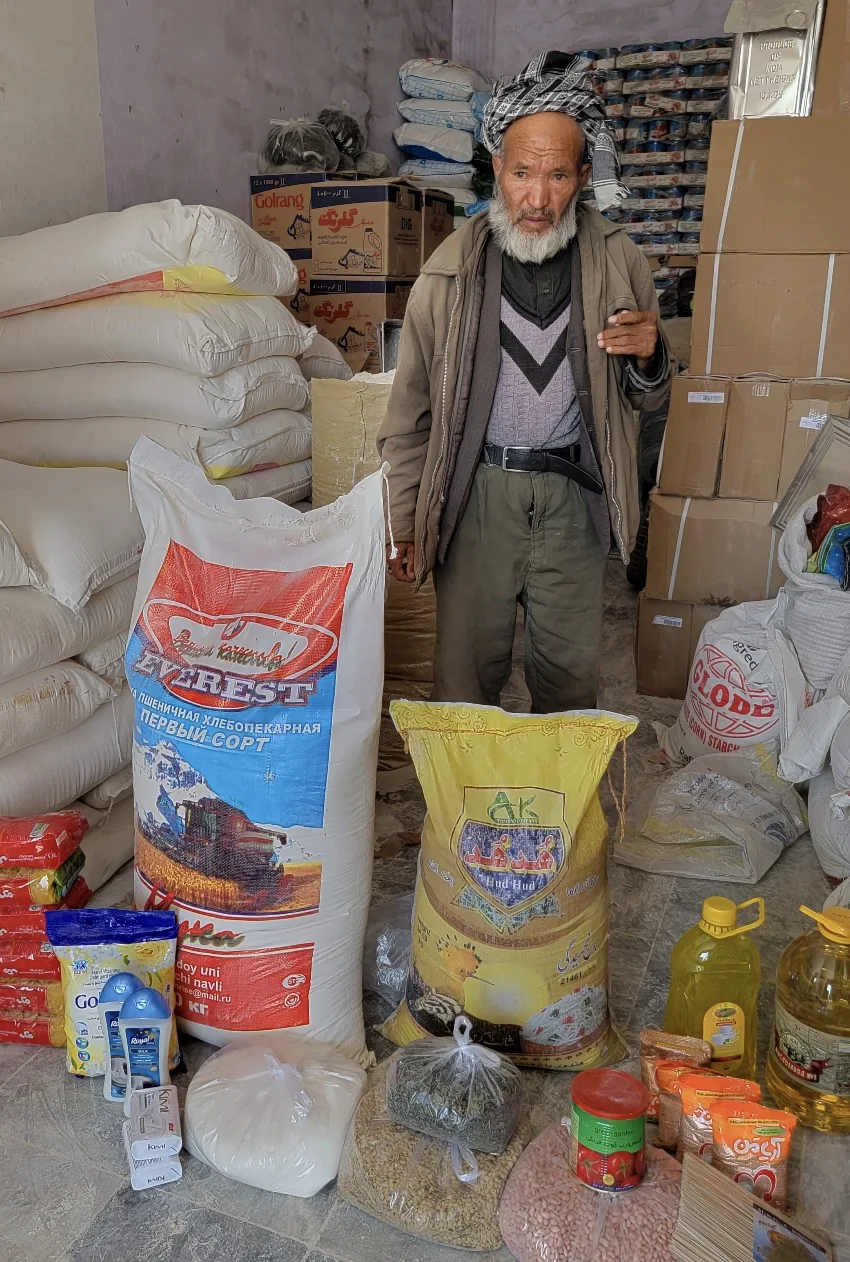
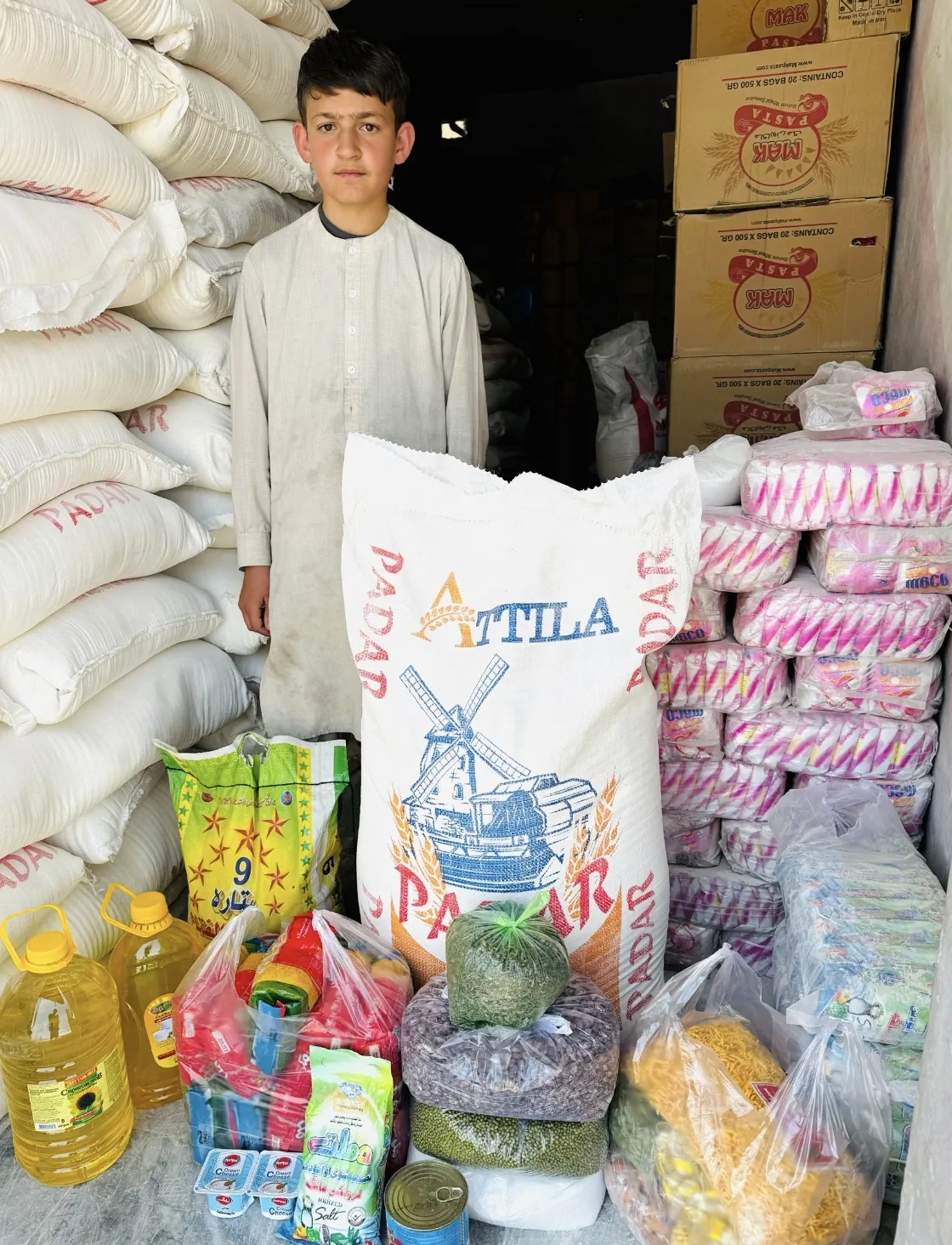
One June delivery combined household staples with thirty days of daily naan—two forms of support working on different timelines.

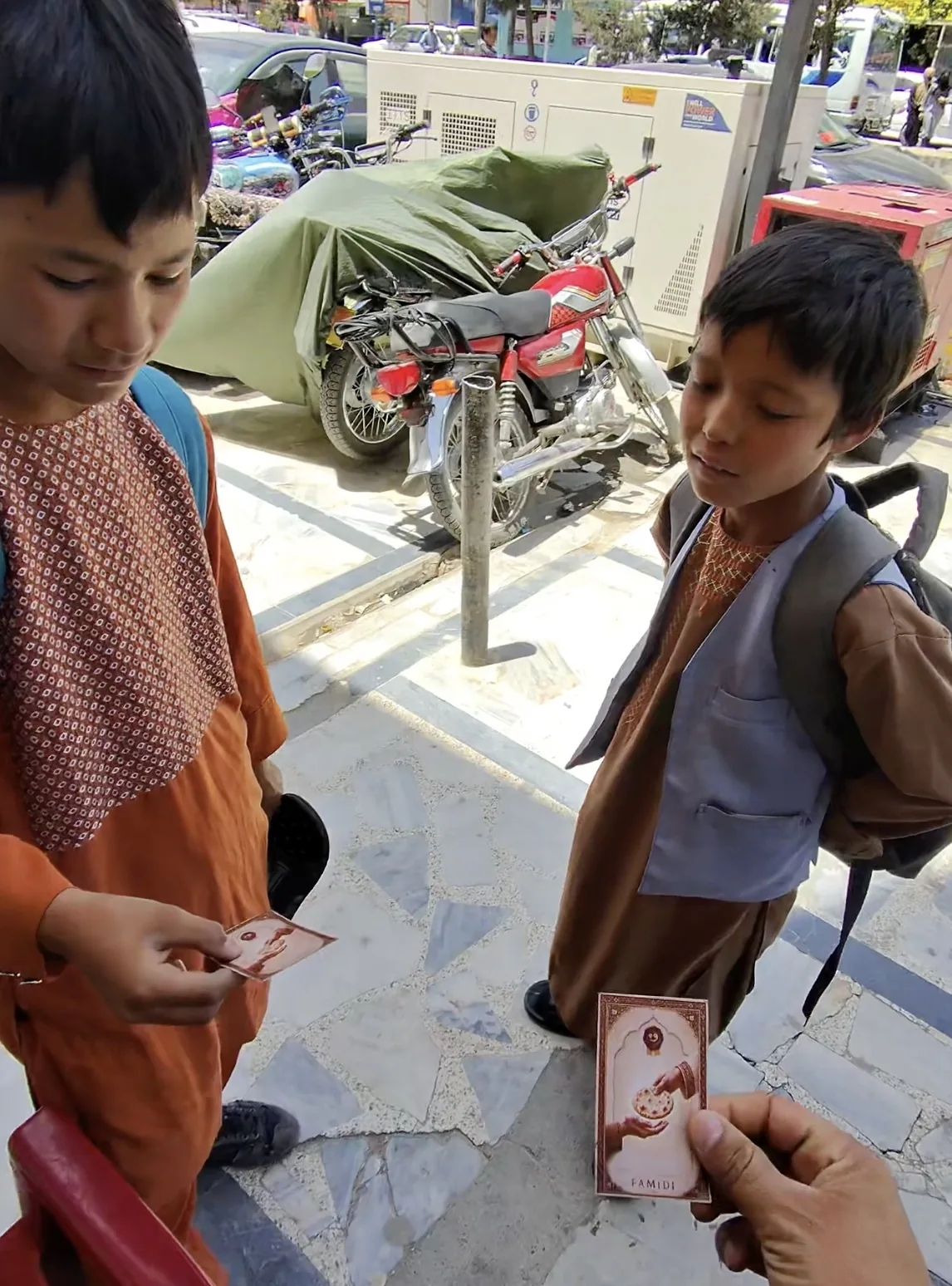
A shoe cleaner accepted a month of bread, then quietly gave the card to someone he believed needed it more.

An older Kabul worker received a Ramadan essentials package after spending the day pushing his cart despite pain and limited ability to lift.

A March field update followed Qabuli Palaw from preparation and packaging to distribution for people fasting across Kabul.

A January field video followed a working father and the moment a box he believed was a delivery became support for his own household.

The power of the Naan Drive is what happens the next morning—and the morning after that.

A plaque is not the project. The taps, pump, storage, local access, and completion record are.

A jacket is simple, visible, and immediately useful. The deeper work is choosing the right size and place.

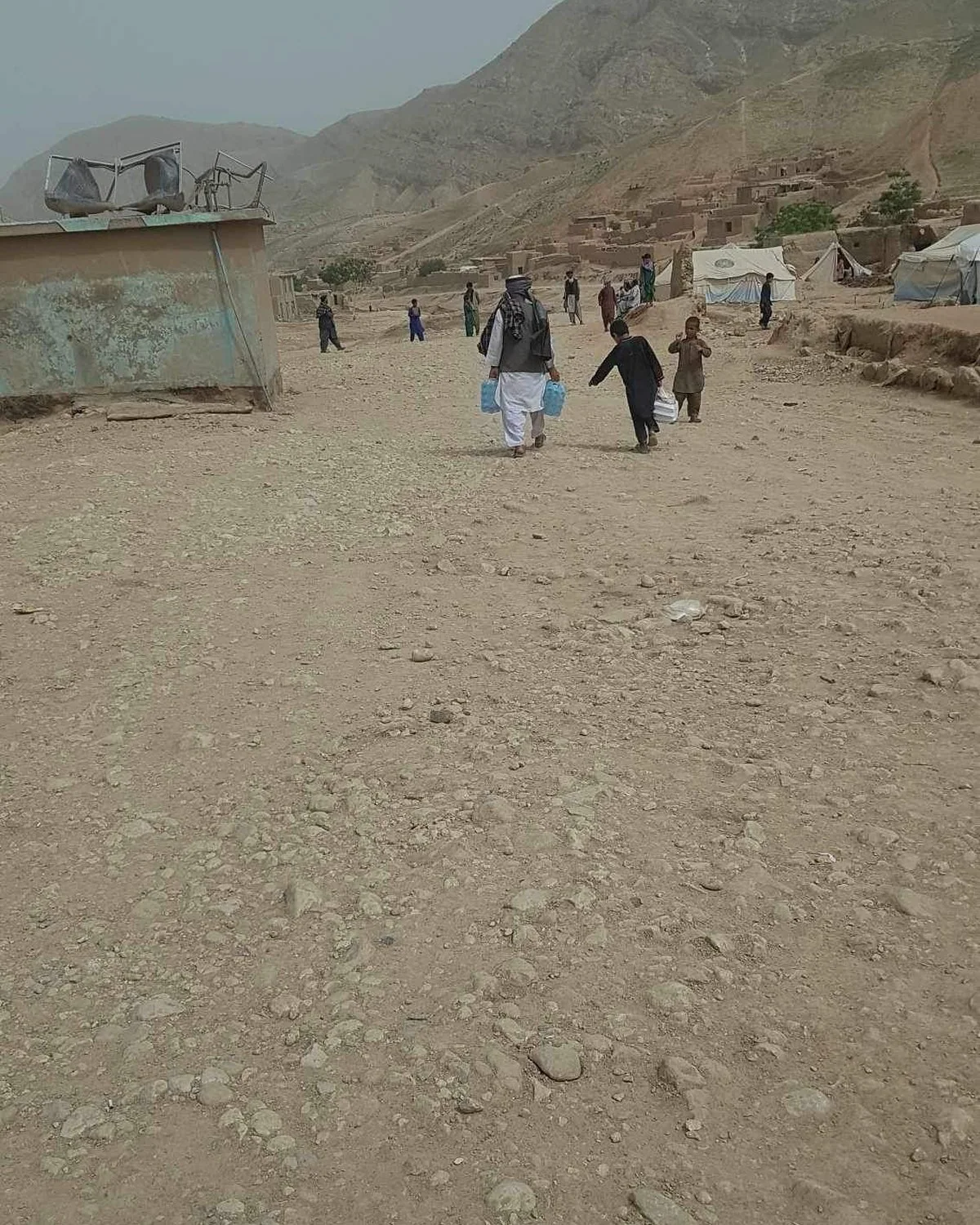
The Baghlan archive records damaged streets, temporary shelter, and field teams carrying water into affected neighborhoods.